
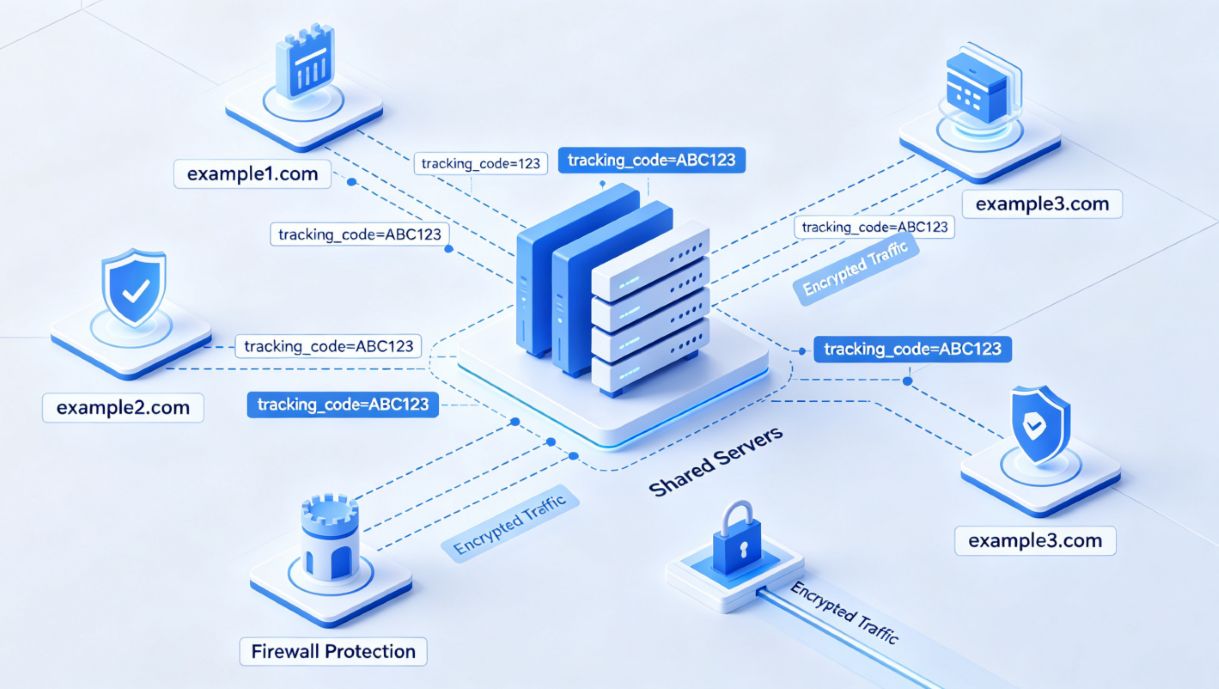
Many offshore betting platforms publish five or six alternate registration links that all connect to the same referral code or user tracking system. This practice is a common feature of the offshore gambling industry, where operators frequently rely on multiple web domains to maintain access for users while tracking marketing performance across different traffic sources.
One example is MZPlay, where alternate registration links may direct users to the same underlying platform through shared referral identifiers. Rather than existing as separate businesses, these mirror domains often function as different entry points into a single operating system. This setup serves several business purposes, including maintaining availability when domains become inaccessible and measuring affiliate referrals more accurately.
Why Offshore Operators Use Multiple Mirror Domains
A mirror domain is an alternative website address that delivers the same service or substantially similar content as the primary site. Offshore gambling operators often register multiple domains because access restrictions vary across countries. Internet service providers, regulators, or licensing authorities may block a domain, making it unavailable in certain regions. When that happens, users can reach the same platform through another registered address.
This approach is widely used in industries that operate across multiple jurisdictions with different regulatory requirements. Rather than rebuilding an entire platform, operators simply redirect users through another domain connected to the same backend infrastructure.
According to the United Nations Office on Drugs and Crime (UNODC), online gambling regulation differs significantly between countries, creating a fragmented legal environment that influences how offshore operators structure their digital presence. These varying legal frameworks encourage businesses to develop flexible online infrastructure capable of adapting to changing access conditions.
The Role of Affiliate Tracking Codes
Affiliate marketing represents another major reason multiple domains exist. Many offshore betting businesses acquire customers through independent marketers, website owners, influencers, and comparison portals. Each affiliate receives a unique referral code that identifies where new registrations originate.
When someone creates an account through a referral link, the tracking code records the source of that registration. Operators can then calculate commissions based on agreed payment models, such as cost per acquisition or revenue sharing.
Using several mirror websites allows affiliates to continue directing traffic even if one domain becomes unavailable. The tracking code remains associated with the referring partner, helping the operator maintain consistent reporting across different web addresses.
The International Advertising Bureau (IAB) explains that affiliate marketing depends on reliable attribution systems to ensure publishers receive credit for referred customers. While implementation differs between industries, referral tracking remains a standard digital marketing practice.
Shared Infrastructure Behind Different Domains
Although users may encounter several website addresses, many of those domains connect to the same databases, payment systems, customer accounts, and gaming services. The visible web address changes, but the underlying platform often remains identical.
This architecture provides operational continuity. User accounts, transaction histories, and account settings generally remain available regardless of which approved mirror domain someone accesses.
Cloud hosting technologies have made this approach relatively straightforward. Modern content delivery networks, domain management systems, and distributed hosting services allow businesses to shift traffic efficiently between different domains while maintaining stable platform performance.
Regulatory Challenges and Business Adaptation
Online gambling laws vary widely around the world. Some countries license offshore operators, others prohibit them entirely, while many apply partial restrictions based on local legislation.
Because of these differences, offshore businesses often separate operational functions across multiple jurisdictions. One country may host company registration, another may provide licensing, while servers and payment processors operate elsewhere.
The Organisation for Economic Co-operation and Development (OECD) has noted that digital businesses increasingly organize operations across several jurisdictions due to differing legal, tax, and regulatory frameworks. Offshore betting operators represent one example of this broader international business model.
Marketing Without Depending on a Single Website
Multiple domains also reduce dependence on a single online destination. Marketing campaigns can continue functioning if one website experiences technical issues, domain suspension, or regional blocking.
This flexibility benefits both operators and affiliates. Advertising materials, search listings, social media posts, and referral campaigns can be updated to another active domain without requiring significant changes to the underlying platform.
For businesses operating internationally, diversified digital infrastructure reduces operational disruption while preserving customer access where legally permitted.
How This Model Shapes the Offshore Gambling Industry
The widespread use of mirror domains reflects the unique operating environment of offshore gambling businesses. Instead of treating a website as a single permanent destination, many operators manage a network of interchangeable domains connected through shared infrastructure, referral systems, and centralized account management.
This model supports business continuity, affiliate partnerships, and technical resilience in a marketplace shaped by changing regulations and regional access restrictions. Understanding the economics of user retention in subscription and gaming-based digital services also provides useful context for how digital platforms build sustainable business models beyond customer acquisition. Related systems, including offshore betting platforms that rely on distributed web infrastructure, illustrate how digital businesses adapt to fragmented international markets while maintaining consistent service delivery.
At the same time, users should understand that legal status, licensing requirements, and consumer protections vary between jurisdictions. Before creating an account on any online gambling platform, it is important to review applicable local laws and verify the operator’s licensing information where available.
Responsible Gambling Warning: Gambling involves financial risk and may lead to harm for some individuals. Participate only if it is legal in your jurisdiction, set personal spending limits, and seek support if gambling begins to affect your finances, relationships, or wellbeing. As offshore betting platforms continue using mirror domains and referral systems to operate across different markets, understanding how these business models work can help consumers make more informed decisions.